For many of us, the day doesn’t officially begin until that first sip of coffee. It’s the drink we reach for to shake off morning grogginess, power through workdays, or simply enjoy a comforting moment of calm. Globally, over 2.25 billion cups of coffee are consumed every day, making it one of the world’s most beloved beverages. But for caffeine lovers, there’s one detail often over looked what coffee is doing to your teeth.
While coffee offers undeniable perks like increased alertness and improved focus, it also comes with side effects that aren’t so pleasant for your dental health. Staining, enamel erosion, sensitivity, and gum issues are just a few of the concerns dentists point to when it comes to coffee consumption. The good news? With awareness and proper oral care habits, you don’t need to abandon your favorite drink to maintain a bright, healthy smile.
In this article, we’ll dive deep into how coffee affects your teeth, signs you should watch out for, and easy ways to protect your smile while still enjoying your daily cup of joe.
How Coffee Affects Your Teeth
Coffee Stains and Discoloration
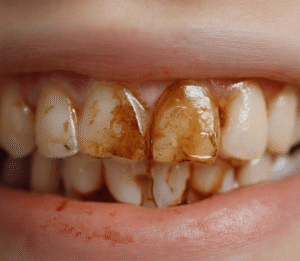
Coffee is notorious for leaving its markliterally. The culprit lies in tannins, natural compounds found in coffee. Tannins increase the ability of pigments to stick to your teeth, which can cause yellow, brown, or dull discoloration over time. The more frequently you drink coffee, the more these pigments build up, creating stains that brushing alone often can’t remove.
Those who prefer strong brews like espresso or dark roasts may notice stains appear more quickly, while lighter roasts tend to be less aggressive but still contribute over time. Unlike food stains that fade, coffee stains tend to be persistent and usually require professional cleaning or whitening treatments.
Enamel Erosion
Beyond stains, coffee is also slightly acidic. Acidity is harmful because it can weaken tooth enamel, the outer protective layer of your teeth. Once enamel is worn down, it doesn’t grow back. This thinning of enamel can lead to:
- Greater tooth sensitivity (especially to hot and cold drinks).
- Higher risk of cavities.
- Increased vulnerability to cracks or chips.
If you sip coffee throughout the day, your teeth are constantly exposed to acid, which can accelerate enamel erosion.
Impact on Gum Health
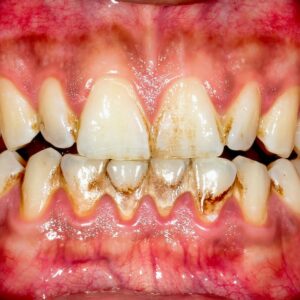
Another effect of caffeine is its tendency to cause dry mouth. Coffee reduces saliva production, and since saliva is the mouth’s natural defense system, a lack of it can allow bacteria to thrive. This environment can irritate gums, contribute to plaque buildup, and eventually increase the risk of gum disease.
Bad Breath
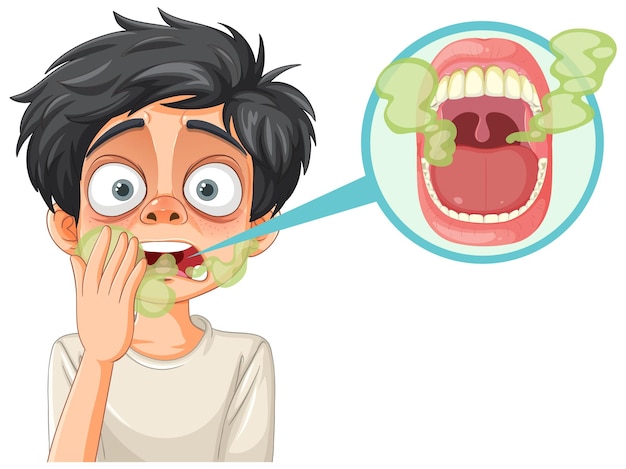
Anyone who’s had a strong coffee knows about the infamous “coffee breath.” The combination of acidity, reduced saliva, and lingering coffee particles on the tongue can leave your breath less than fresh. This is why dentists often recommend following coffee with a quick rinse of water or chewing sugar-free gum.
Signs Your Smile is Being Affected
If you’re unsure whether coffee has started to impact your teeth, look out for these common warning signs:
- Yellowing or brown discoloration – A visible sign of surface stains.
- Increased tooth sensitivity – Especially when eating ice cream or drinking hot beverages.
- Persistent bad breath – Dryness and residue can leave a lingering odor.
- Plaque buildup – A rough texture or dull appearance on teeth.
- Gum irritation – Swelling, redness, or tenderness.
Catching these issues early can make them easier to reverse or manage.
Tips to Protect Your Teeth While Enjoying Coffee
The goal isn’t to quit coffee altogether but to balance enjoyment with smart dental care. Here are dentist-approved tips:

1. Rinse or Drink Water After Coffee
Swishing with water immediately after finishing coffee helps neutralize acids and wash away tannins before they set on enamel.

2. Use a Straw
Sipping through a straw reduces direct contact between coffee and your front teeth, lowering the risk of stains.
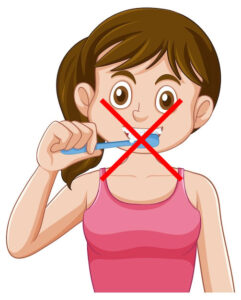
3. Don’t Brush Immediately
Many people make the mistake of brushing right after coffee. Since acidity temporarily softens enamel, brushing immediately can cause micro-abrasions. Instead, wait 30–60 minutes before brushing with fluoride toothpaste.
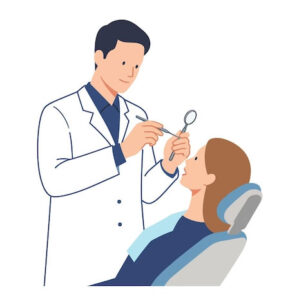
4. Maintain Regular Dental Checkups
Professional cleaning every six months can remove built-up stains and plaque that regular brushing may miss.
5. Try Whitening Products
Over-the-counter whitening toothpaste or strips can help manage mild stains. For deeper discoloration, dentists may recommend professional whitening treatments.

6. Limit Add-Ons Like Sugar and Syrups
While black coffee mainly stains, adding sugary syrups and flavorings introduces a higher risk of cavities and bacterial growth.
Alternative Options for Coffee Lovers
If you’re concerned about your teeth but can’t imagine life without coffee, consider these alternatives:
- Low-acid coffee blends – Specially processed to reduce acidity, these are gentler on enamel.
- Cold brew coffee – Naturally lower in acidity than hot-brewed coffee.
- Add milk or cream – Dairy can help balance acidity and reduce stain visibility.
- Switch it up occasionally – Herbal teas or caffeine-free coffee alternatives can give your teeth a break.
Long-Term Oral Care Habits for Coffee Drinkers
Besides daily preventive steps, long-term oral hygiene plays a big role in minimizing coffee’s effects:
- Brush twice daily with fluoride toothpaste.
- Floss once a day to remove food particles between teeth.
- Use an antibacterial mouthwash to fight odor and plaque.
- Invest in professional whitening every 12–18 months if stains are a concern.
Building these habits ensures that even if coffee remains a daily companion, your teeth and gums stay healthy.
Conclusion
For caffeine lovers, coffee is non-negotiable. But your smile doesn’t have to pay the price. While coffee can stain teeth, erode enamel, and affect gum health, being mindful of your habits can go a long way. Rinsing with water, delaying brushing, using a straw, and visiting your dentist regularly are simple yet powerful strategies.
Remember, it’s not about giving up your daily cup of coffeeit’s about enjoying it wisely. By taking a few preventive steps, you can sip your latte or espresso guilt-free while keeping your teeth bright, strong, and healthy for years to come.
FAQs
Does coffee permanently stain teeth?
Coffee stains aren’t always permanent, but they can be stubborn. Surface stains may be removed with whitening toothpaste or professional cleaning, while deeper stains often require dental whitening treatments.
How can I drink coffee without staining my teeth?
You can reduce staining by drinking through a straw, rinsing your mouth with water afterward, and brushing your teeth 30–60 minutes later with fluoride toothpaste.
Is black coffee better for your teeth than coffee with milk and sugar?
Black coffee mainly causes staining, while coffee with added sugar or syrups increases the risk of cavities. Adding milk can reduce acidity slightly but doesn’t prevent stains.
How soon after drinking coffee should I brush my teeth?
It’s best to wait at least 30–60 minutes before brushing. Brushing too soon can damage softened enamel and worsen erosion.
Can whitening toothpaste really help with coffee stains?
Yes, whitening toothpaste with mild abrasives can help reduce surface stains over time. However, for significant discoloration, professional whitening treatments may be more effective.
Does cold brew coffee cause fewer stains than hot coffee?
Cold brew is less acidic than hot coffee, which means it’s gentler on enamel. However, it still contains tannins that can stain teeth, so preventive measures are still important.