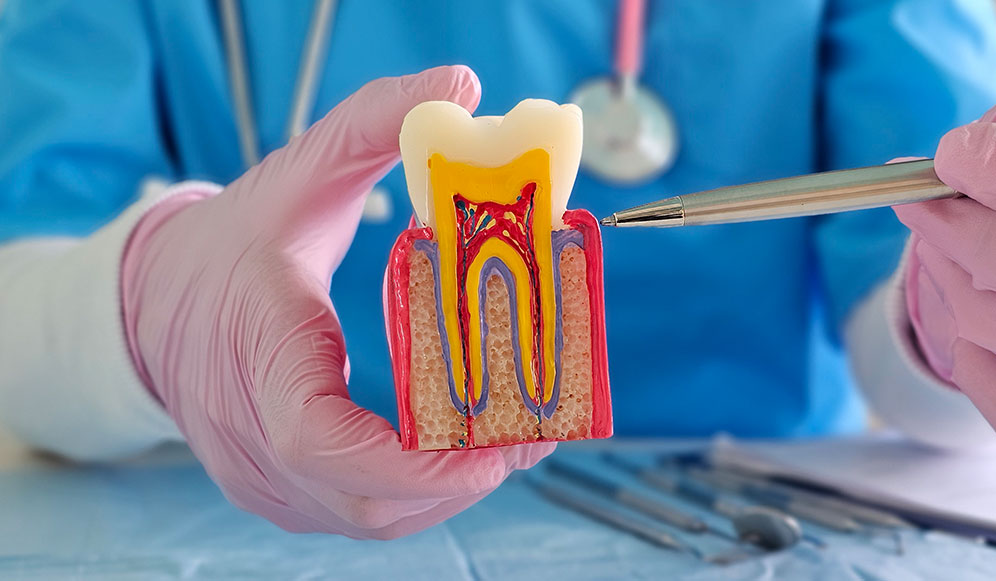
When persistent tooth pain interferes with daily life, many people start searching for a “root canal treatment near me” to save their natural tooth and get lasting relief. Root canal treatment is one of the most effective and predictable dental procedures designed to eliminate infection, relieve pain, and preserve tooth structure rather than resorting to extraction.
Choosing the best dentist for root canal treatment plays a crucial role in the success of the procedure, long-term comfort, and durability of the treated tooth. This guide explains everything you need to know, from diagnosis to recovery – so you can make informed decisions with confidence.
What Is Root Canal Treatment and Why Is It Done?
Root canal treatment (RCT) is a dental procedure used to treat infection or inflammation inside the tooth’s pulp, the soft tissue containing nerves and blood vessels. When this pulp becomes infected due to deep decay, cracks, trauma, or repeated dental procedures, it can cause intense pain and swelling.
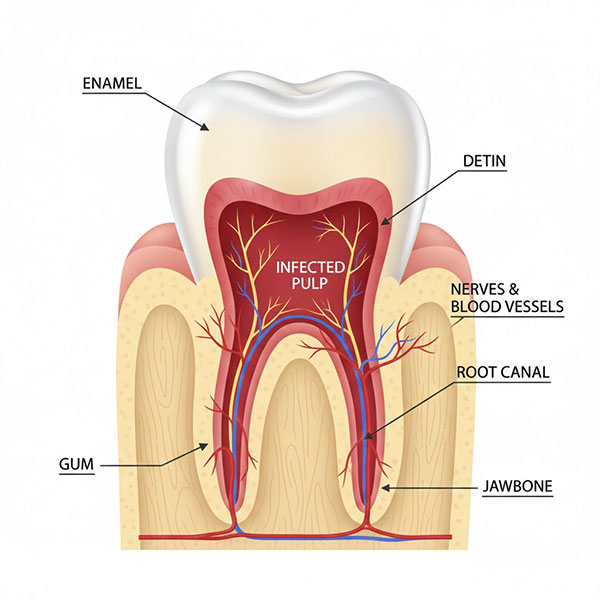
The goal of root canal treatment is to:
- Remove infected or damaged pulp
- Disinfect the inner canals of the tooth
- Seal the tooth to prevent reinfection
By doing so, the dentist saves your natural tooth, maintains proper chewing function, and prevents jawbone deterioration that often follows extraction.
What Symptoms and Conditions Indicate the Need for a Root Canal?
Not every toothache requires a root canal, but certain symptoms strongly indicate pulp damage. Common signs include:

- Persistent or severe toothache
- Sensitivity to hot or cold that lingers
- Swelling or tenderness in the gums
- Tooth discoloration
- Deep cavities reaching the pulp
- Pain while chewing
- Trauma or fractures exposing inner tooth layers
In some cases, infection may be present without obvious pain, which is why regular dental checkups are essential.
How Is a Tooth Diagnosed for Root Canal Treatment?
Accurate diagnosis is critical for successful treatment. A dentist evaluates the tooth using:
- Detailed clinical examination
- Digital X-rays to assess infection and bone involvement
- Sensitivity tests to check nerve response
- Evaluation of bite pressure and surrounding tissues
Based on these findings, a customized treatment plan is created to ensure complete infection removal and long-term tooth stability.
What Happens During the Root Canal Procedure Step by Step?
Root canal treatment is typically completed under local anesthesia and is far more comfortable than many expect. The steps include:
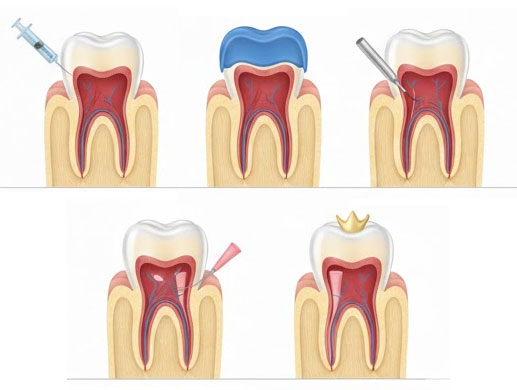
- Numbing the area to ensure pain-free treatment
- Isolating the tooth using a rubber dam
- Creating a small access opening
- Removing infected pulp
- Cleaning and shaping the canals
- Disinfecting the canals thoroughly
- Filling the canals with biocompatible material
- Sealing the tooth to prevent reinfection
Modern techniques and equipment make the procedure precise and efficient.
Is Single-Sitting or Multi-Sitting Root Canal Better?
Both approaches are effective, and the choice depends on the condition of the tooth.
- Single-sitting root canal is suitable when infection is minimal and canals are straightforward
- Multi-sitting root canal is recommended when there is severe infection, swelling, or complex canal anatomy
Your dentist will decide the safest option based on clinical findings rather than convenience.
What Are Inlays and Onlays After Root Canal Treatment and When Are They Preferred Over Crowns?
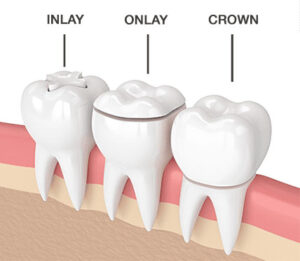
After root canal treatment, the tooth must be restored to prevent fracture and restore function. While conventional crowns fully cover the tooth, inlays and onlays are conservative alternatives used when sufficient healthy tooth structure remains.
Inlays fit within the biting surface of the tooth, whereas onlays extend over one or more cusps. They are recommended when damage is moderate, the tooth walls are intact, and full crown coverage is not clinically necessary.
Advantages of Inlays and Onlays Over Conventional Crowns
- Preserve more natural tooth structure
- Require minimal tooth reduction
- Offer precise fit and strong adhesive bonding
- Provide excellent aesthetics with natural enamel-like appearance
- Reinforce the tooth while maintaining its original anatomy
Crowns are still preferred when the tooth is extensively weakened or at high risk of fracture. The final choice depends on tooth condition, bite forces, and long-term prognosis, making professional evaluation essential.
Is Root Canal Treatment Painful and What Should You Expect?
One of the most common myths is that root canal treatment is painful. In reality:

- The procedure relieves pain rather than causes it
- Local anesthesia ensures comfort
- Mild soreness after treatment is normal and temporary
Most patients report that the experience is similar to getting a regular dental filling.
How Should You Care for Your Tooth After Root Canal Treatment?
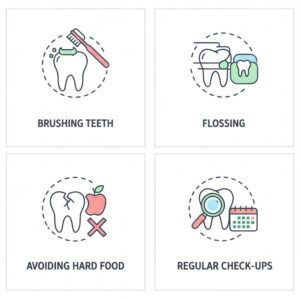
Post-treatment care is simple but important:
- Avoid chewing on the treated tooth until restored
- Maintain proper brushing and flossing
- Take prescribed medications as directed
- Attend follow-up appointments
- Report unusual pain or swelling promptly
Most patients resume normal activities within 24 hours.
What Are Possible Complications and When Should You Contact a Dentist?
While root canal treatment has a high success rate, complications may include:
- Persistent pain beyond a few days
- Swelling or abscess formation
- Cracked or fractured tooth
- Reinfection due to missed canals
Immediate dental evaluation is necessary if symptoms worsen or persist.
How Long Do Root Canal Treated Teeth Last and How Can You Maintain them?
With proper restoration and oral hygiene, root canal treated teeth can last decadesor even a lifetime. Success rates exceed 90% when performed correctly and followed by appropriate care.
To maintain longevity:
- Schedule regular dental checkups
- Avoid biting hard objects
- Address grinding or clenching habits
- Keep restorations intact
Why Trust Dr. Irfana for Root Canal Treatment in Mumbai?
For patients seeking expert and ethical dental care, Dr. Irfana, practicing in Jogeshwari West, Mumbai, brings over 12 years of clinical experience in dentistry. She is a published researcher with 8 international publications in Periodontology, reflecting a strong foundation in evidence-based practice and continuous learning.
Her approach focuses on accurate diagnosis, patient education, and conservative treatment planning, ensuring comfort, safety, and long-term oral health outcomes.
Looking for Safe and Reliable Root Canal Treatment Near You?
If you are experiencing tooth pain or suspect infection, early intervention can save your tooth and prevent complications.
Visit Dr.Irfana’s dental clinic in Jogeshwari West, Mumbai, and receive personalized, science-backed care from a trusted dental professional.
Schedule your appointment today and take the first step toward pain-free, long-lasting oral health.
FAQs
Is a root canal treatment painful?
No, root canal treatment is not painful. With modern anesthesia and advanced dental techniques, the procedure is typically as comfortable as getting a routine filling. In fact, it helps relieve pain caused by infection or inflammation inside the tooth.
How long does a root canal procedure take?
A root canal can usually be completed in a single visit of about 45–90 minutes. However, in cases of extensive infection or complex tooth anatomy, your dentist may recommend a two-visit (multi-sitting) approach for optimal results.
Can a root canal treated tooth get infected again?
Although rare, reinfection can occur if the tooth wasn’t completely sealed, a new cavity forms, or the crown is damaged. Regular checkups and good oral hygiene help prevent reinfection and ensure long-term success.
What should I eat after a root canal treatment?
Avoid hard, sticky, or chewy foods until your dentist places the permanent crown or restoration. Soft foods like soups, yogurt, and steamed vegetables are ideal while your treated tooth heals.
Do I need a crown after root canal treatment?
In most cases, yes. After a root canal, the tooth can become brittle. A dental crown provides strength, protects against fracture, and restores normal chewing function.
How long does a root canal treated tooth last?
With proper restoration and oral care, a root canal treated tooth can last decades or even a lifetime. Regular dental visits, avoiding excessive force while chewing, and maintaining oral hygiene are key to longevity.