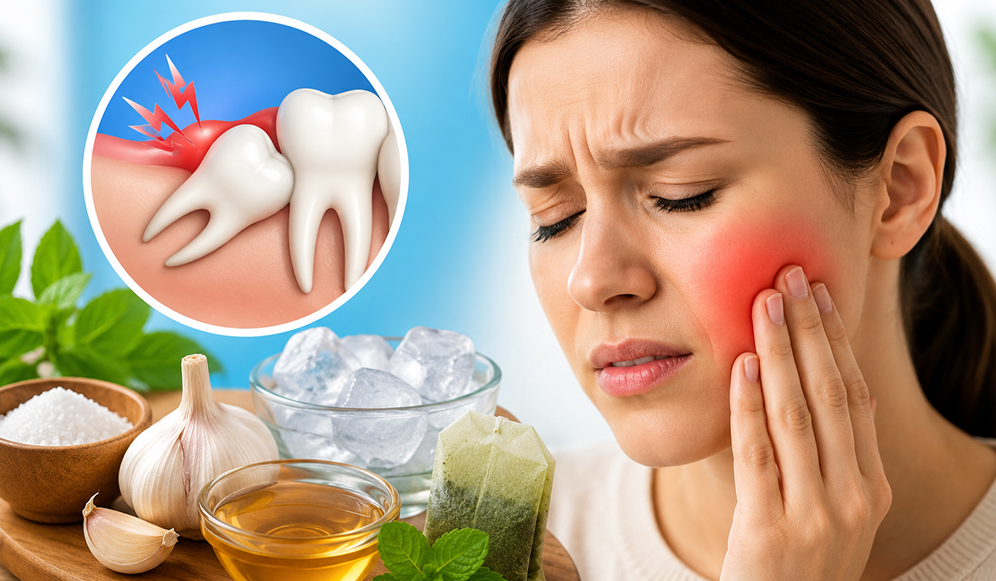
Is a dull, throbbing ache at the back of your jaw keeping you awake at night? If you are between 17 and 25 years old, or even older, chances are your wisdom teeth (third molars) are trying to make an entrance.
When a wisdom tooth doesn’t have enough room to emerge properly, it becomes impacted. This often leads to a painful condition called pericoronitis (inflammation of the gum tissue surrounding the tooth), food lodgment, or even tooth decay.
While the ultimate solution for a problematic third molar is a professional evaluation, you can manage the discomfort at home initially. As dental experts at Dr. Irfana’s Dental Studio in Jogeshwari West, Mumbai, we have put together this evidence-based guide on safe, dentist-approved home remedies for wisdom tooth pain, along with critical warning signs you should never ignore.
5 Safe and Effective Home Remedies for Wisdom Tooth Pain
These natural remedies focus on reducing inflammation and numbing the area until you can visit a dental clinic.
Warm Salt Water Rinses (The Golden Standard)

This is the simplest and most effective first line of defense. Salt acts as a natural disinfectant. It helps wash away trapped food particles and bacteria around the partially erupted tooth.
- How to use: Mix half a teaspoon of regular table salt into a glass of lukewarm water. Swish it gently around your mouth for 30 to 60 seconds, then spit it out. Repeat 4–5 times a day.
Cold Compress (Ice Therapy)

If your jaw is throbbing or you notice mild swelling on your cheek, ice is your best friend. Cold therapy constricts blood vessels, which significantly reduces swelling and numbs the sharp pain.
- How to use: Wrap an ice pack or a bag of frozen peas in a clean towel. Hold it against the outside of your jaw for 15 minutes, then leave it off for 15 minutes. Never apply ice directly to the bare skin or gums.
Clove Oil (Natural Numbing Agent)

Cloves contain eugenol, a natural chemical compound widely known for its anesthetic (numbing) and antibacterial properties. It has been used in dentistry for decades to relieve toothaches.
- How to use: Dilute 2–3 drops of pure clove oil with a few drops of a carrier oil (like olive oil or coconut oil). Soak a small cotton ball in the mixture and place it directly on the painful gum area for 10–15 minutes.
Over-the-Counter (OTC) Pain Relievers

Non-steroidal anti-inflammatory drugs (NSAIDs) can help manage severe throbbing.
- Important Note: Always take these medications according to the package instructions. Never crush an aspirin tablet and place it directly on your gums—this causes severe chemical burns on delicate oral tissues.
Proper Oral Hygiene & Gentle Brushing
When a tooth hurts, the instinct is to avoid brushing that area. However, skipping hygiene allows plaque and food debris to build up, worsening the infection. Use a soft-bristled toothbrush to clean the area gently, or use an antibacterial mouthwash prescribed by your dentist.
Red Flags: When to Stop Remedies and See a Dentist Immediately
Home remedies are strictly for temporary relief. They do not fix the root cause of an impacted or infected wisdom tooth. You must skip the home care and book an emergency dental appointment if you experience any of the following symptoms:
- Difficulty swallowing or opening your mouth (Trismus)
- Visible swelling on your cheek, jawline, or neck
- A high fever accompanied by severe jaw pain
- A foul taste or pus oozing from the gums around the back tooth
These signs indicate that the dental infection is spreading deeper into your jaw or neck spaces, which can become a medical emergency if left untreated.
Conclusion
Wisdom tooth pain can completely disrupt your daily routine, but using safe remedies like warm salt water rinses, cold compresses, and clove oil can help keep the discomfort under control temporarily. However, ignoring chronic wisdom tooth pain can lead to damage to adjacent teeth, cyst formation, or severe chronic infections.
The safest and most permanent solution is a professional digital X-ray and examination. If you are experiencing wisdom tooth discomfort and looking for a trusted dentist in Jogeshwari West, Mumbai, we can help. Schedule a consultation at Dr. Irfana’s Dental Studio to explore your options, including safe and painless wisdom tooth extractions. Visit our website at drirfanasdentalstudio.com to book your appointment today!
FAQs
How long does wisdom tooth pain typically last?
If the tooth is just breaking through the gums normally, the mild discomfort may last for a few days and subside. However, if the tooth is impacted or infected, the pain will recur periodically, growing more severe over time until the tooth is professionally treated or extracted.
Can a wisdom tooth cause pain in my ear and head?
Yes, absolutely. The nerves that supply your upper and lower jaws are closely connected to the nerves running along your face, head, and ears. An infected or impacted wisdom tooth can easily cause referred pain, leading to severe headaches and earaches.
Is wisdom tooth extraction painful?
Thanks to modern local anesthesia and advanced surgical techniques used at Dr. Irfana’s Dental Studio, the actual extraction procedure is completely painless. You may feel some pressure, but no pain. Any post-operative discomfort can be easily managed with prescribed medications.
Can I use commercial mouthwashes to cure wisdom tooth pain?
Commercial alcohol-based mouthwashes might cause a burning sensation on inflamed gums. While an antibacterial rinse (like Chlorhexidine) helps reduce bacteria, it will not “cure” the pain caused by a lack of physical space in the jawbone.
What happens if I choose to ignore my wisdom tooth pain?
Ignoring the pain can lead to chronic pericoronitis, severe facial swelling, decay in the healthy adjacent second molar, or the formation of fluid-filled cysts in the jawbone. It is always better to evaluate it early through a dental X-ray.